Rāmāyaṇa Beyond What We Were Told

Some of the most familiar stories may have histories very different from what we imagine.

Explore the text. Follow the evidence. Decide for yourself.

Textual Evidence Manuscript History Critical Editions Regional Traditions

Why Question What We Think We Know?

For centuries, the Rāmāyaṇa has been more than a text — it has been a living tradition, retold across languages, regions, and generations. But what happens when the stories we know best turn out to have histories of their own?

The Baroda Critical Edition of the Vālmīki Rāmāyaṇa — a monumental scholarly effort spanning decades and hundreds of manuscripts — reveals that several beloved and controversial episodes may not belong to the earliest textual layer of the epic. Some appear only in later books whose authorship has been questioned. Others emerge in medieval retellings. Still others belong to regional traditions that developed independently of Vālmīki's narrative.

This is not an attack on tradition. It is an invitation to understand tradition more deeply — to distinguish what the ancient poet composed from what later generations added in his name.

Tradition remembers more than one Rāmāyaṇa. The distinction matters.

Five Textual Investigations

Each investigation examines a widely held belief, traces it to its textual source, and presents the manuscript evidence.

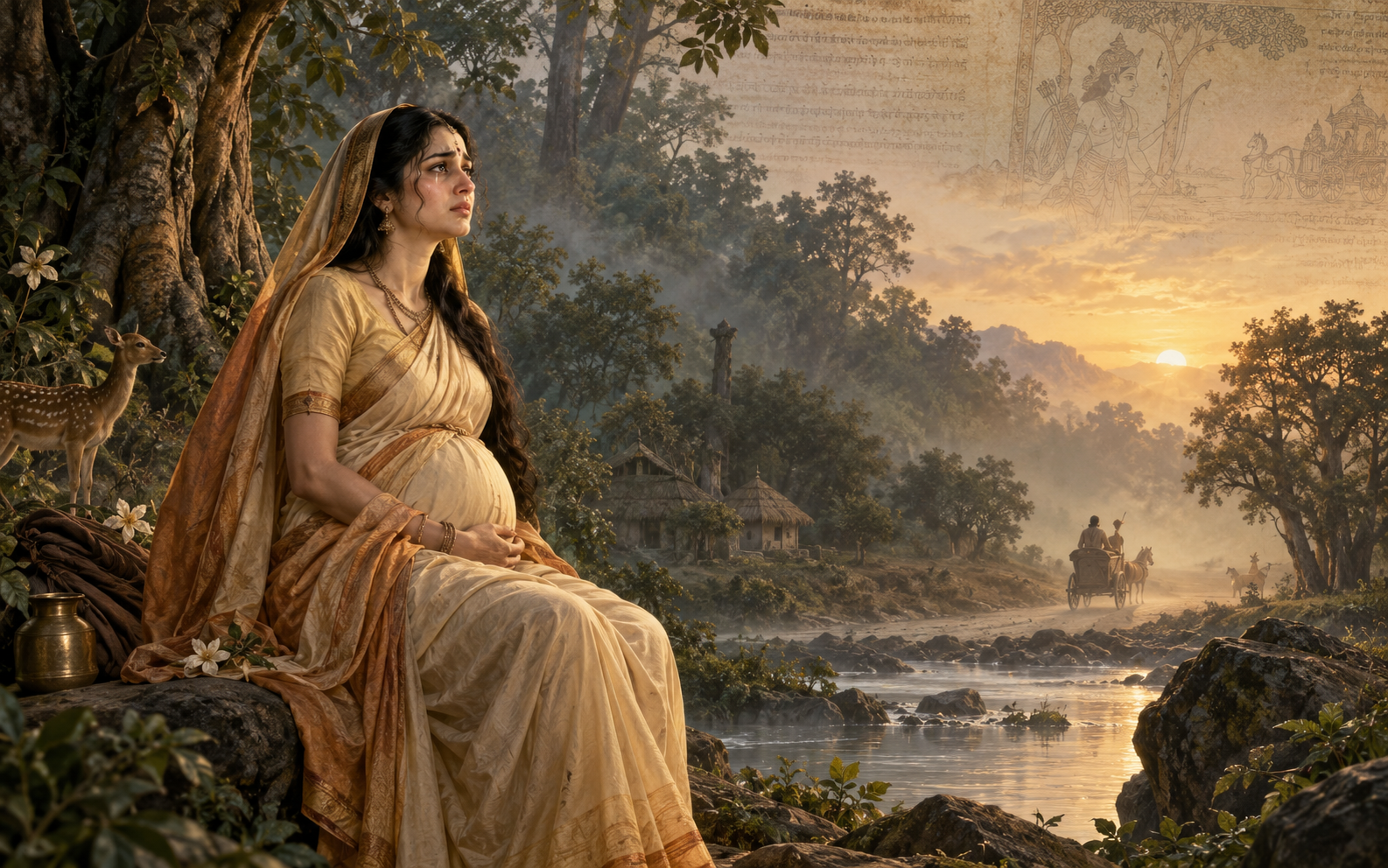
Ancient manuscript depicting Sita's exile narrative
Investigation 01

Did Vālmīki's Story End Before Sita's Exile?

What the manuscript investigates

The entire exile narrative belongs to the Uttara Kanda — a section whose manuscript history, linguistic style, and thematic consistency have been questioned by scholars for over a century.
Examine the Evidence
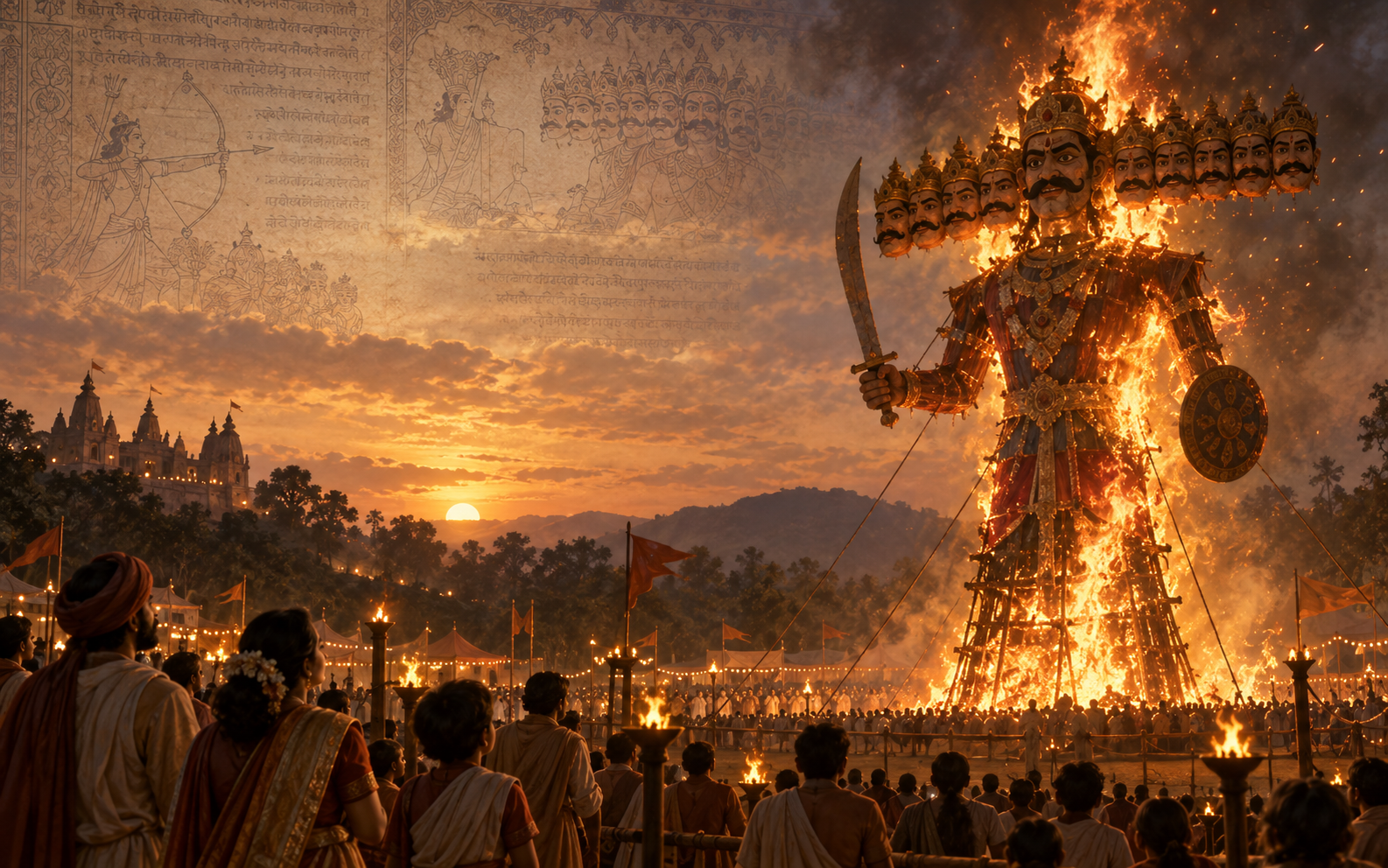
Historical depiction of Ravana Dahan festival origins
Investigation 02

Did Vālmīki Describe Rāvaṇa Dahan?

What the manuscript investigates

The Vālmīki Rāmāyaṇa describes Rāvaṇa's death as a solemn event. Rama instructs proper funeral rites, saying "enmity ends with death." The festival as we know it has a complex, much later historical development.

Examine the Evidence
Artistic interpretation of the Lakshmana Rekha legend
Investigation 03

The Most Famous Line That May Not Be in Vālmīki's Scene

What the manuscript investigates

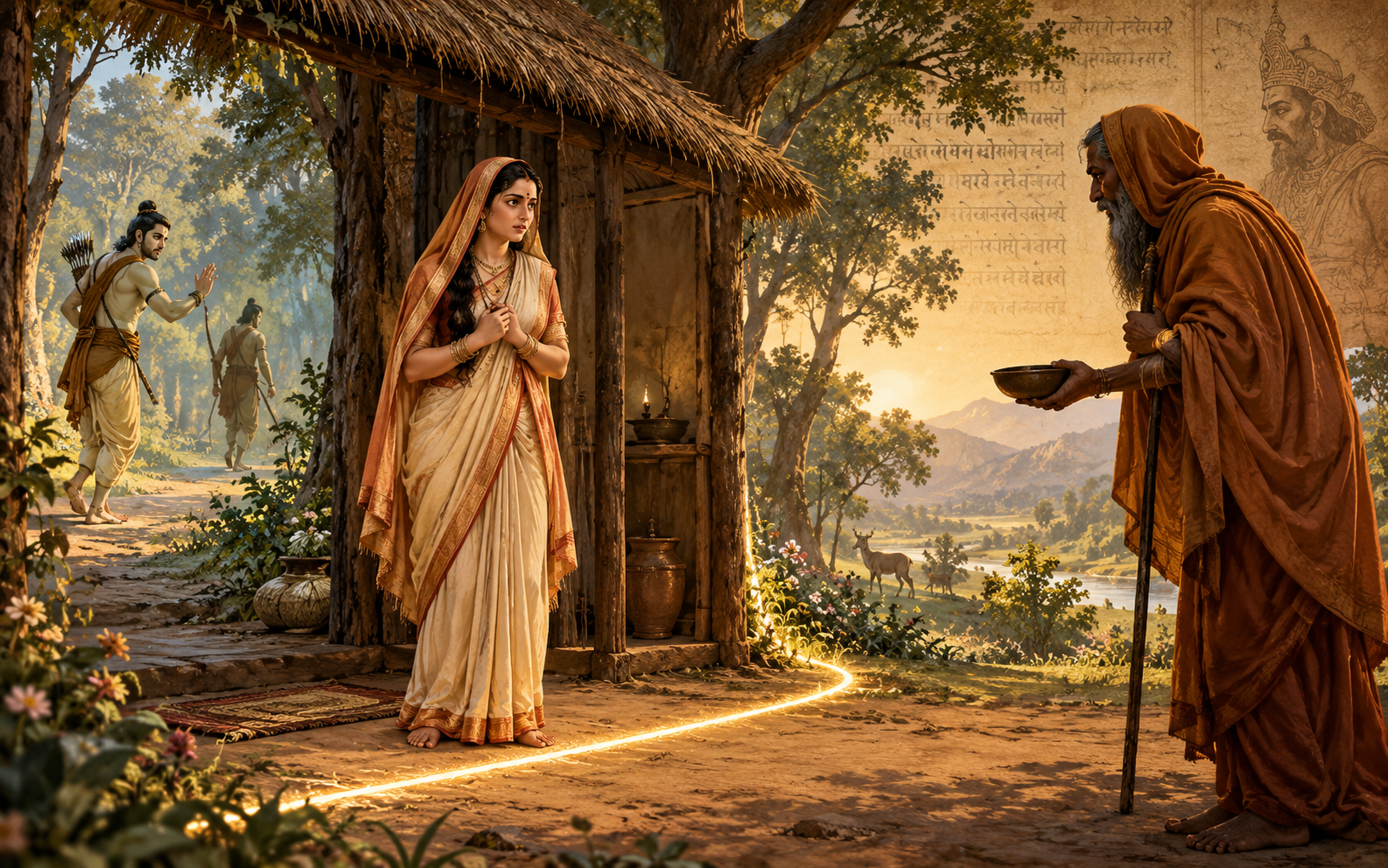
The critical edition of Vālmīki's Araṇyakāṇḍa contains no mention of any protective line. The motif appears first in 15th-century regional retellings, fundamentally altering the moral structure of Sita's abduction.

Examine the Evidence
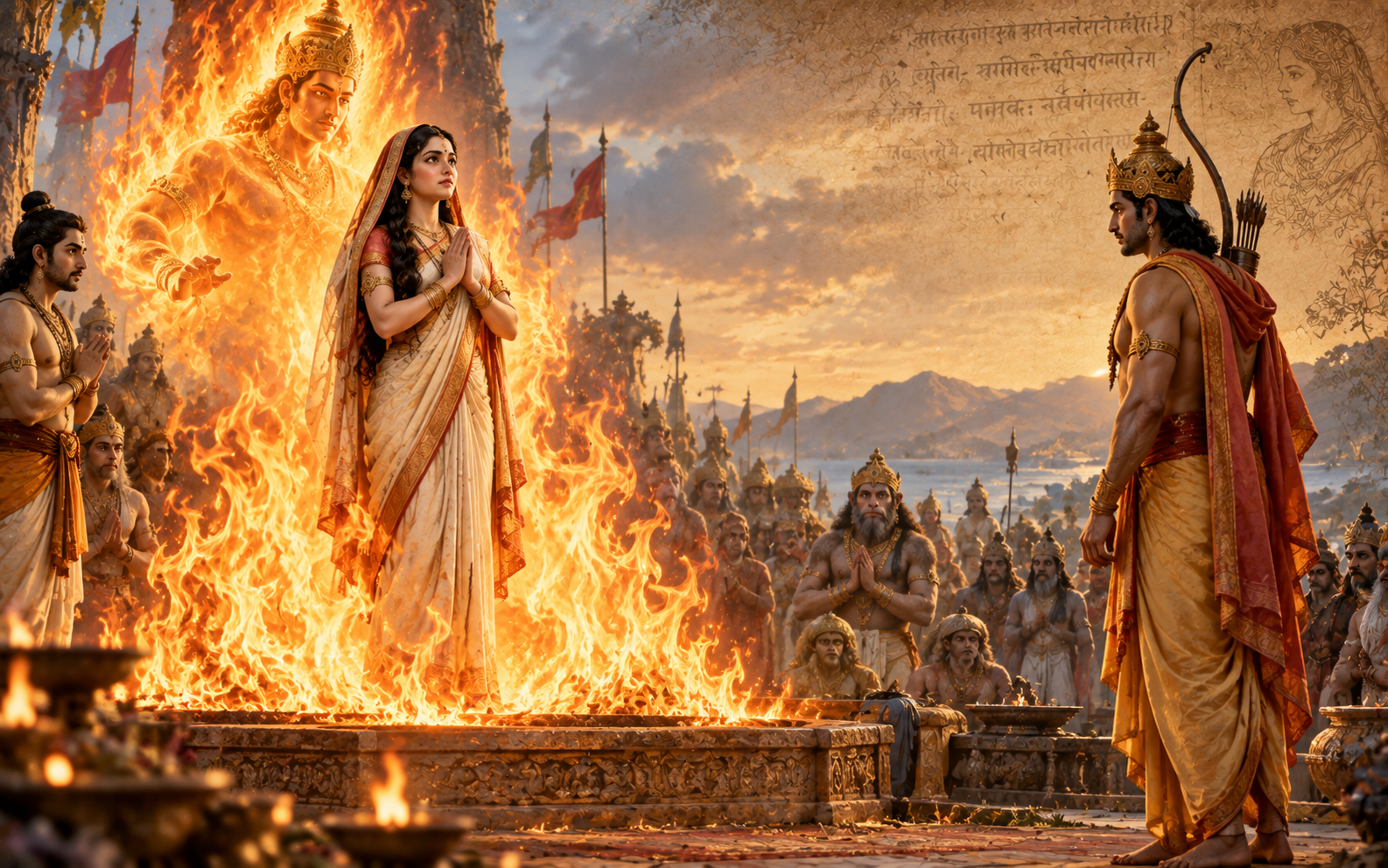
Ancient depiction of the Agni Pariksha episode
Investigation 04

Was Agni Parīkṣā a Test — or a Public Vindication?

What the manuscript investigates

In Vālmīki's text, Sita commands her own ordeal with fierce autonomy. Rama reveals he always knew her purity. The episode functions as cosmic vindication before divine witnesses — not a husband's test of his wife.

Examine the Evidence
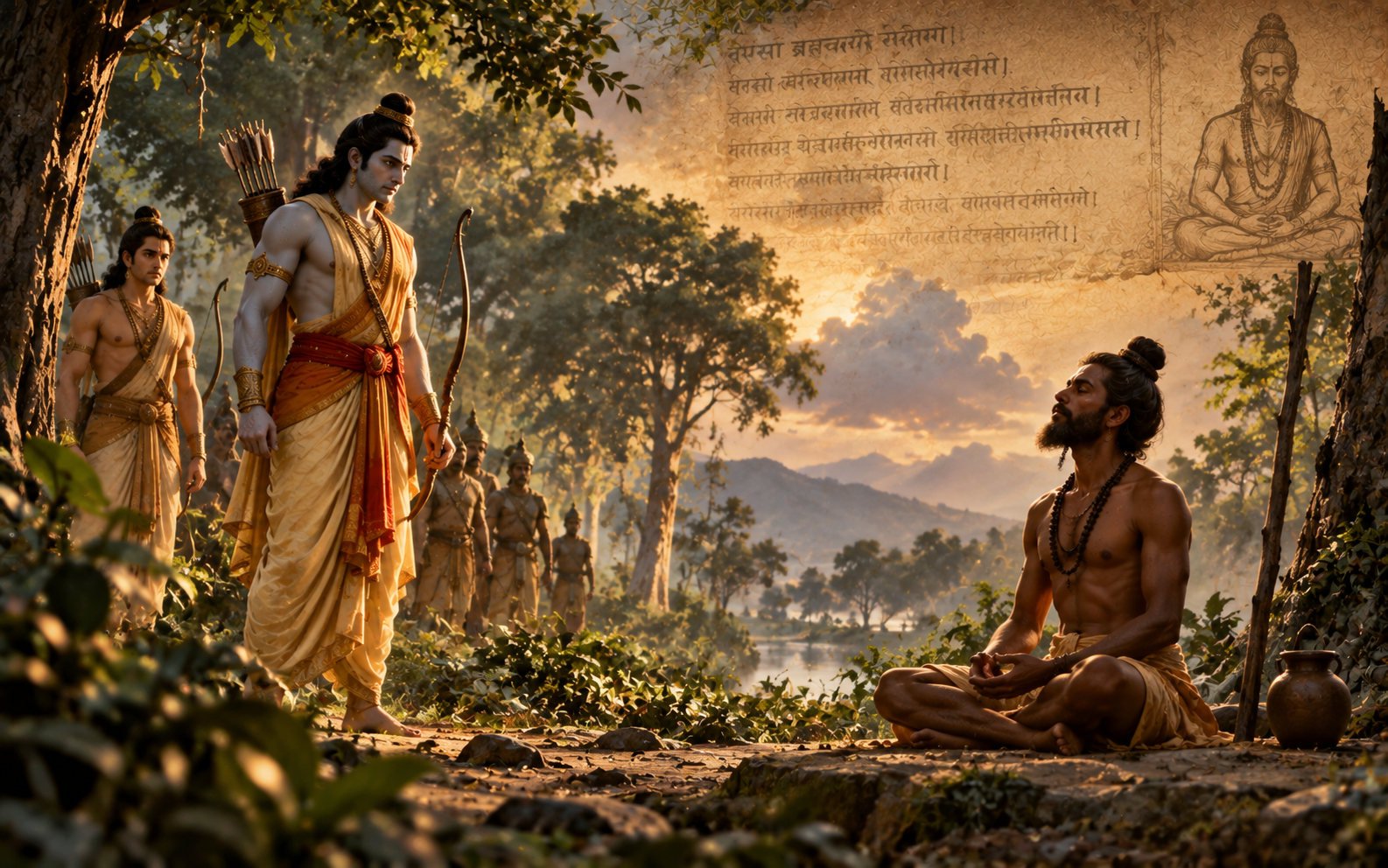
Scholarly examination of the Shambuka episode
Investigation 05

Did Rama Kill Śambūka for Performing Tapas?

What the manuscript investigates

This episode is absent from the Baroda Critical Edition entirely. It appears only in certain regional manuscripts of the already-questioned Uttara Kanda, and contradicts Vālmīki's own treatment of characters across social boundaries.

Examine the Evidence

How Do We Know?

The tools scholars use to distinguish earlier textual layers from later additions.

Manuscript Comparison

Hundreds of Rāmāyaṇa manuscripts survive across India in different scripts and regional traditions. When a passage appears in some manuscript families but not others, scholars can trace when and where it entered the textual tradition.

Linguistic Analysis

Sanskrit evolved over centuries. Vocabulary, grammatical forms, and word frequencies differ between early and late compositions. A passage using words that entered Sanskrit centuries after Vālmīki signals later authorship.

Metrical Evidence

Vālmīki composed primarily in the anuṣṭubh meter with remarkable consistency. Sections showing dramatically different metrical patterns suggest a different compositional hand.

Narrative Consistency

When a passage contradicts themes, character portrayals, or plot resolutions established elsewhere in the epic, scholars consider whether it represents an original intention or a later insertion with different aims.

Cross-Referencing

If the first six books of the Rāmāyaṇa never reference events in a seventh book, but the seventh references all six — the pattern suggests the seventh was composed later by someone who had the earlier books before them.

Comparative Traditions

Buddhist and Jain retellings of the Rāma story, composed independently, preserve ancient narrative traditions. Episodes absent from these independent versions but present in later Hindu texts may represent Brahmanical additions.

The Rāmāyaṇa Is Not One Book in One Form

There is no single "Ramayana." There are hundreds — composed across millennia, in dozens of languages, reflecting different theologies, regional identities, and cultural concerns.

Vālmīki's Epic

The earliest Sanskrit narrative, composed in the anuṣṭubh meter. The Baroda Critical Edition represents the most rigorous attempt to reconstruct this foundational text.

Regional Rāmāyaṇas

Kamban's Tamil Irāmāvatāram, Kṛttivāsa's Bengali version, Balarāma Dāsa's Odia retelling — each reshapes the narrative to reflect regional language, theology, and social concerns.

Devotional Retellings

Tulsīdāsa's Rāmacaritamānasa, the Adhyātma Rāmāyaṇa, and other bhakti texts transform the epic into devotional theology, adding and omitting episodes to serve spiritual purposes.

Non-Hindu Traditions

The Buddhist Dasaratha Jātaka (3rd century BCE) and Vimalasūri's Jain Paumacariya (4th century CE) preserve independent ancient narratives that often lack episodes found only in later Hindu versions.

Performance Traditions

Rāmlīlā, Yakṣagāna, and countless folk performances have added visual spectacle, dramatic elaboration, and new symbolic elements — some of which became more famous than the original text.

Modern Retellings

Film, television, and literature continue to reshape the Rāmāyaṇa. Ramanand Sagar's 1987 television series defined the story for millions — blending multiple traditions into a single authoritative-seeming narrative.

Perhaps the most important question is not
"What were we told?"

but

"What does the source actually say?"

Read. Question. Compare. Decide.