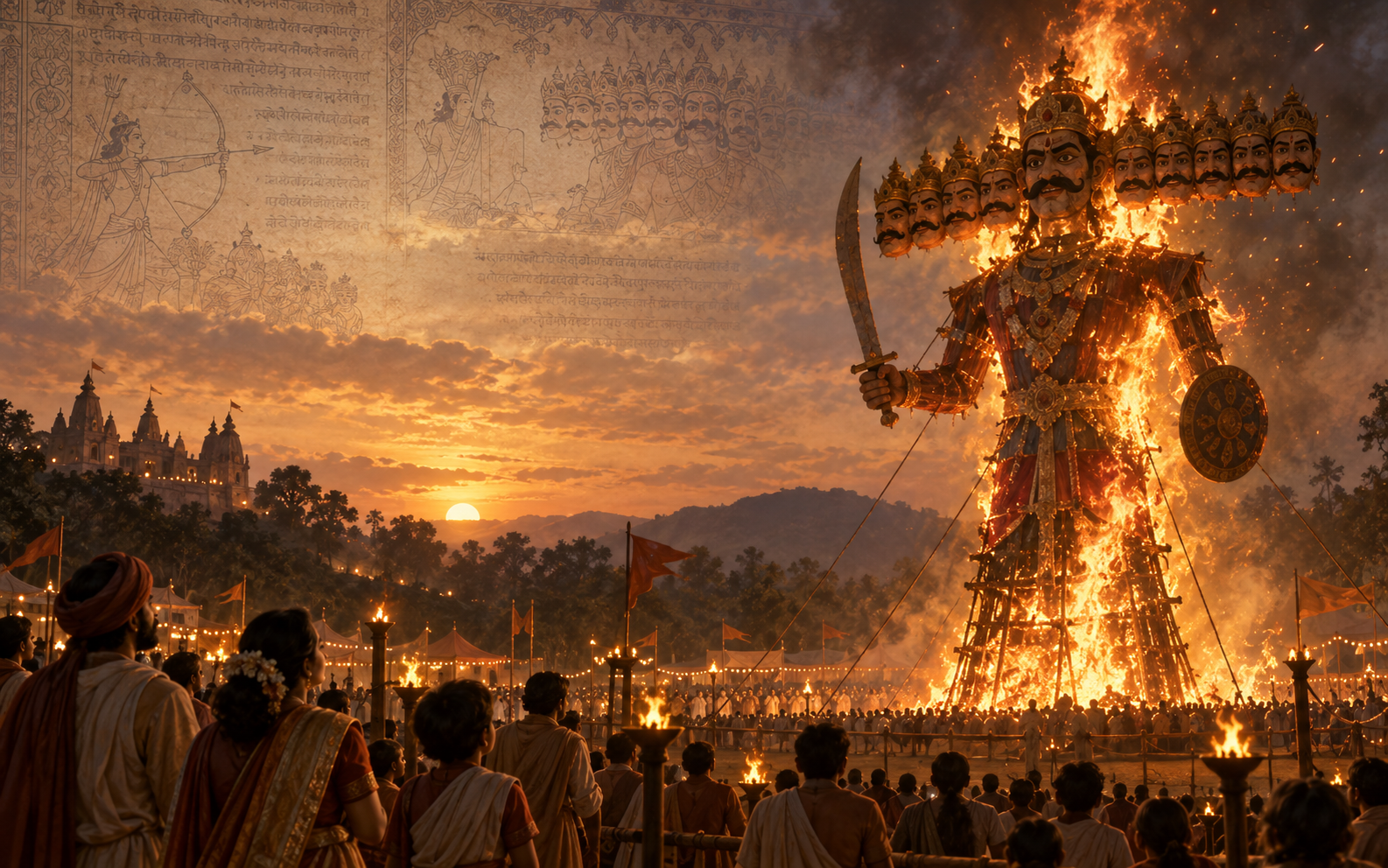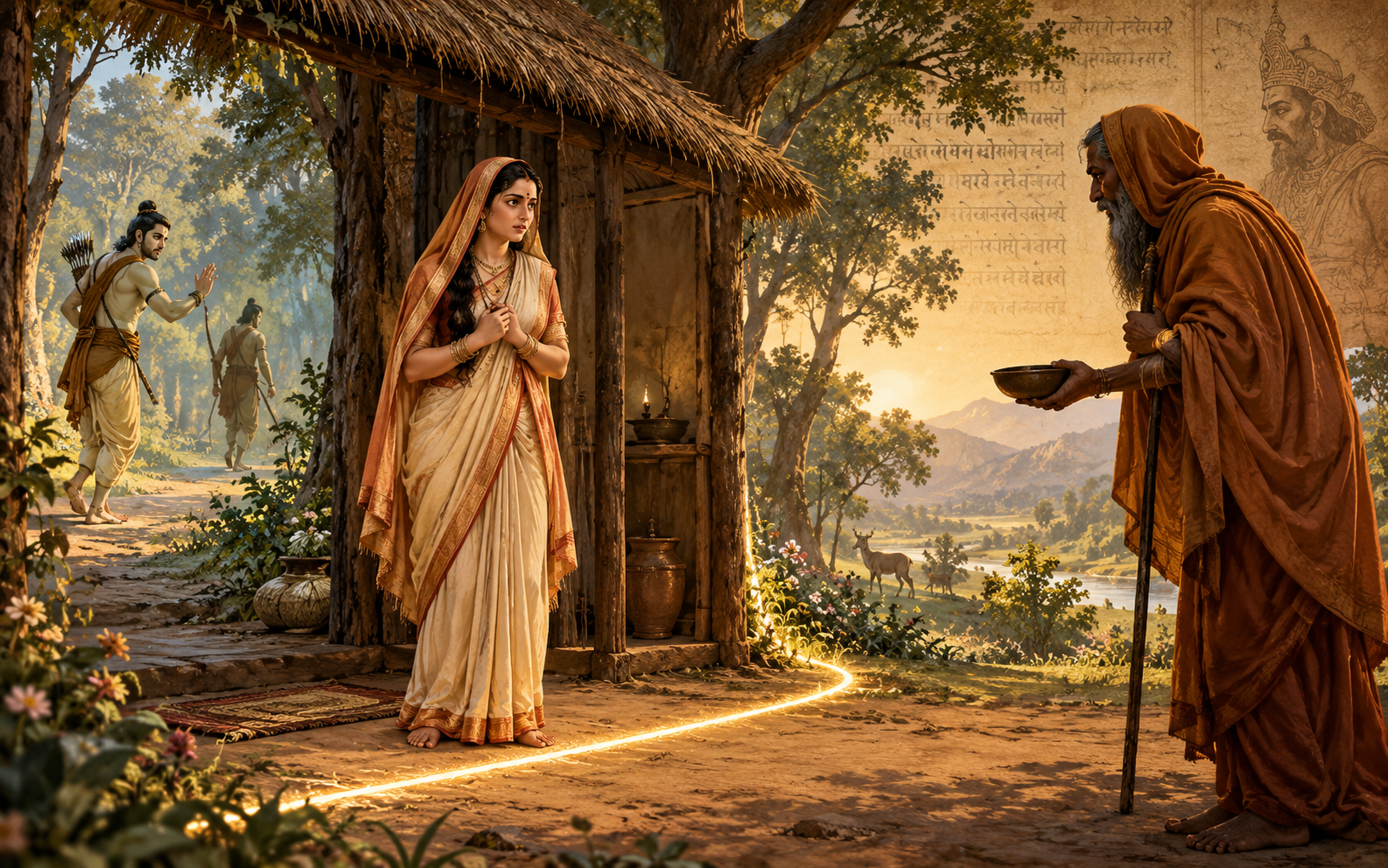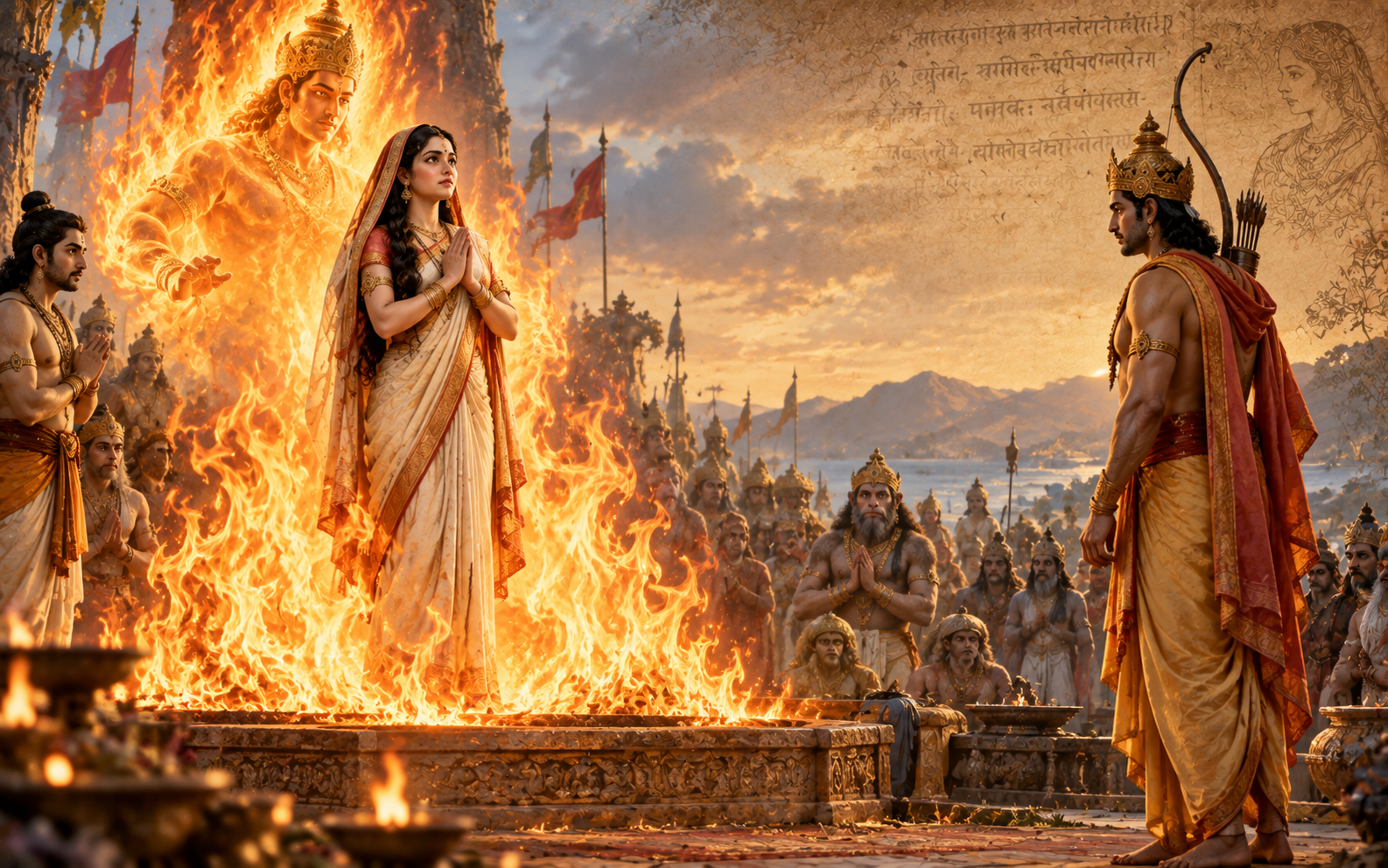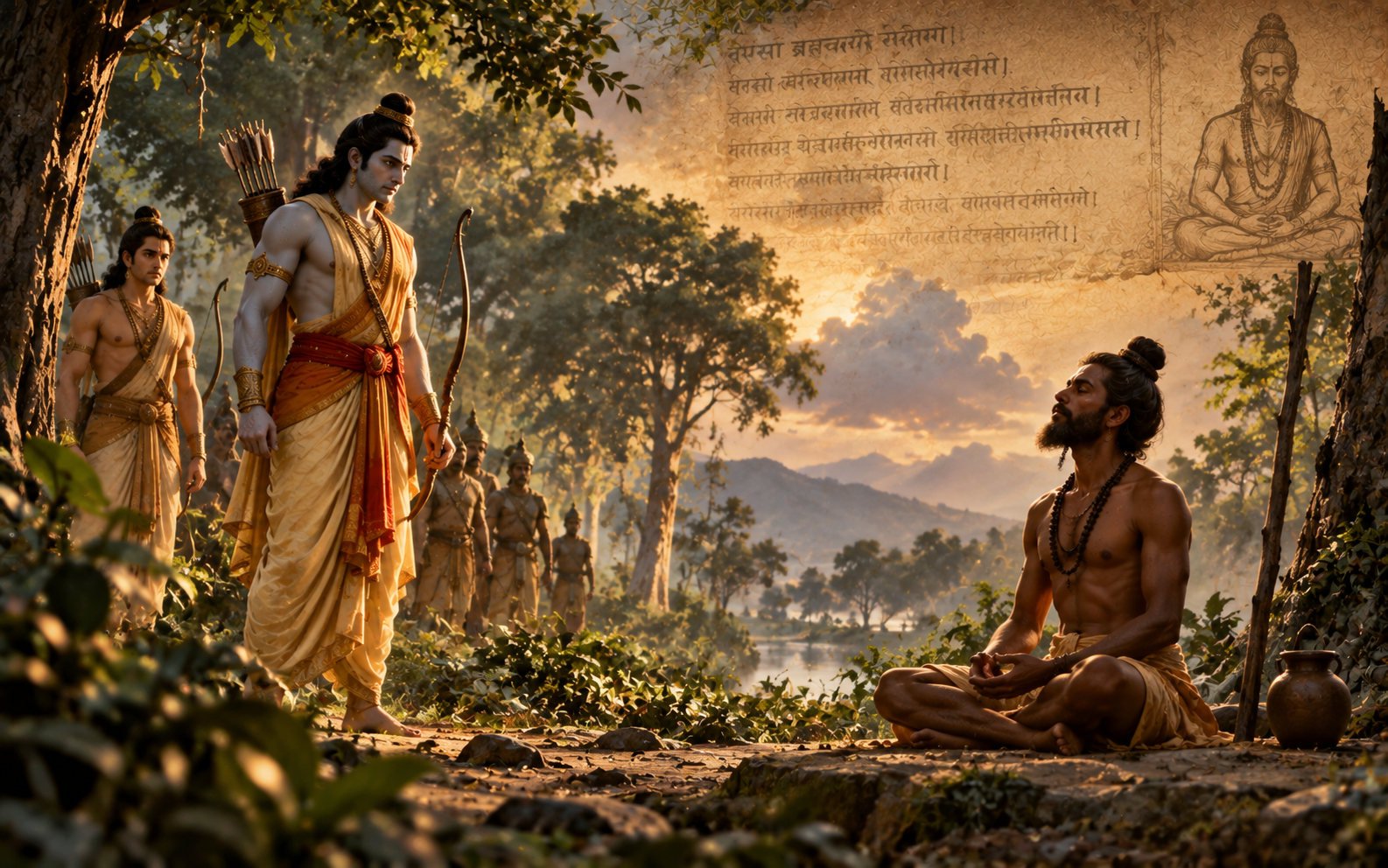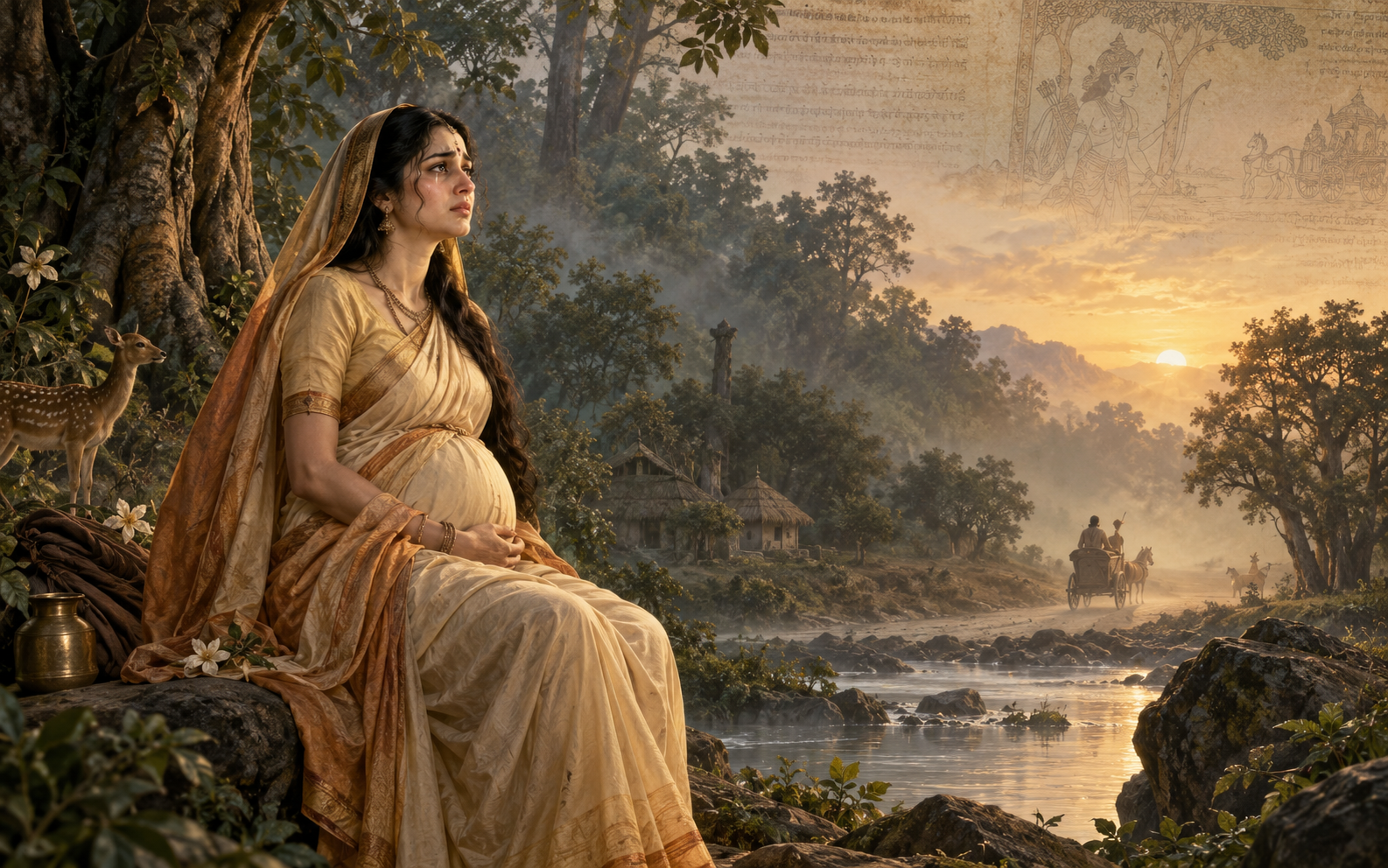
For centuries, the Rāmāyaṇa has been more than a text — it has been a living tradition, retold across languages, regions, and generations. But what happens when the stories we know best turn out to have histories of their own?
The Baroda Critical Edition of the Vālmīki Rāmāyaṇa — a monumental scholarly effort spanning decades and hundreds of manuscripts — reveals that several beloved and controversial episodes may not belong to the earliest textual layer of the epic. Some appear only in later books whose authorship has been questioned. Others emerge in medieval retellings. Still others belong to regional traditions that developed independently of Vālmīki's narrative.
This is not an attack on tradition. It is an invitation to understand tradition more deeply — to distinguish what the ancient poet composed from what later generations added in his name.
Tradition remembers more than one Rāmāyaṇa. The distinction matters.